With great pleasure, we will explore the intriguing topic related to gi map testing. Let’s weave interesting information and offer fresh perspectives to the readers.

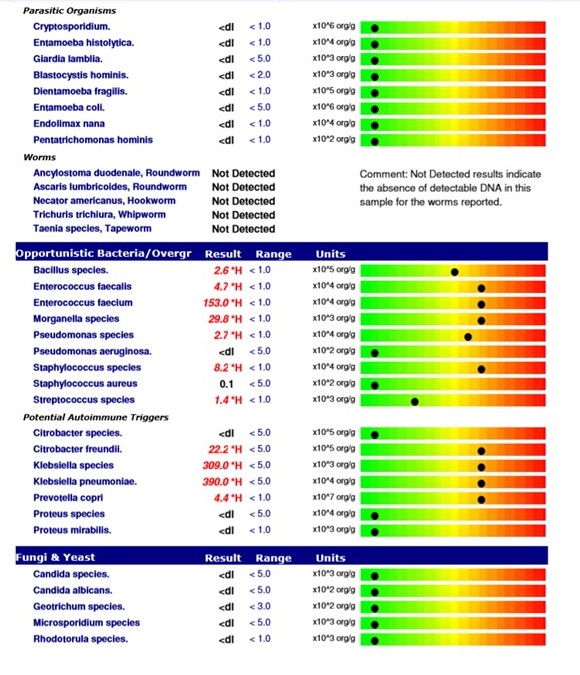
The human gut, a complex and dynamic ecosystem, harbors trillions of microorganisms, collectively known as the gut microbiome. This intricate community plays a crucial role in human health, influencing digestion, immunity, metabolism, and even mental well-being. As scientific understanding of the gut microbiome deepens, innovative tools like gastrointestinal mapping (G.I. Map) testing emerge, offering unprecedented insights into this hidden world.

The gut microbiome is a diverse and dynamic ecosystem comprising bacteria, viruses, fungi, and protozoa. This microbial community is not merely a passive passenger; it actively interacts with the human host, influencing various physiological processes.
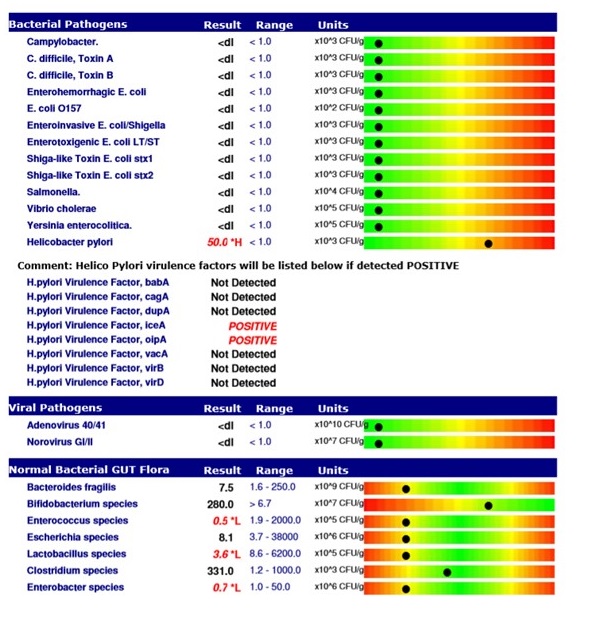
The gut microbiome is influenced by various factors, including diet, lifestyle, and environmental exposures. These influences can lead to imbalances in the microbial composition, potentially contributing to a range of health issues.

Gastrointestinal mapping (G.I. Map) testing is a cutting-edge approach to analyzing the composition and function of the gut microbiome. It provides a comprehensive picture of the microbial community residing in the digestive tract, offering valuable insights into individual health and potential imbalances.

G.I. Map testing typically involves collecting a stool sample, which is then analyzed using advanced techniques like next-generation sequencing (NGS) and bioinformatics. These techniques allow for the identification and quantification of various bacterial species, as well as the analysis of their functional capabilities.
A: Individuals experiencing digestive issues, such as IBS, IBD, or chronic constipation; those with metabolic conditions like obesity, diabetes, or fatty liver disease; individuals with autoimmune conditions; and those interested in optimizing their gut health and overall well-being.

A: Insurance coverage for G.I. Map testing varies depending on the insurer and individual policy. It is recommended to contact your insurance provider for specific coverage information.

A: G.I. Map testing, when performed by a reputable laboratory using validated methods, offers a high degree of accuracy in analyzing the gut microbiome. However, it’s essential to consider individual factors and consult with a healthcare professional for personalized interpretation.

A: G.I. Map testing involves collecting a stool sample, which is generally considered a safe and non-invasive procedure. However, individuals with specific medical conditions or allergies should consult with their healthcare provider before proceeding.
Gastrointestinal mapping (G.I. Map) testing represents a significant advancement in understanding the complex relationship between the gut microbiome and human health. By providing detailed insights into the composition and function of the gut microbial community, G.I. Map testing empowers individuals and healthcare professionals to make informed decisions regarding health management, disease prevention, and personalized interventions. As research continues to unravel the intricacies of the gut microbiome, G.I. Map testing is poised to play an increasingly vital role in promoting gut health and overall well-being.


Thus, we hope this article has provided valuable insights into gi map testing. We hope you find this article informative and beneficial. See you in our next article!
Navigating the City of Angels: Google Maps and the Bangkok Experience Related Articles: Navigating the City of Angels: Google Maps…
The Crucial Role of the Manifold Absolute Pressure (MAP) Sensor in Modern Automobiles Related Articles: The Crucial Role of the…
Mapping the Inferno: Understanding California’s Wildfire Crisis Through Spatial Analysis Related Articles: Mapping the Inferno: Understanding California’s Wildfire Crisis Through…
Your email address will not be published.
